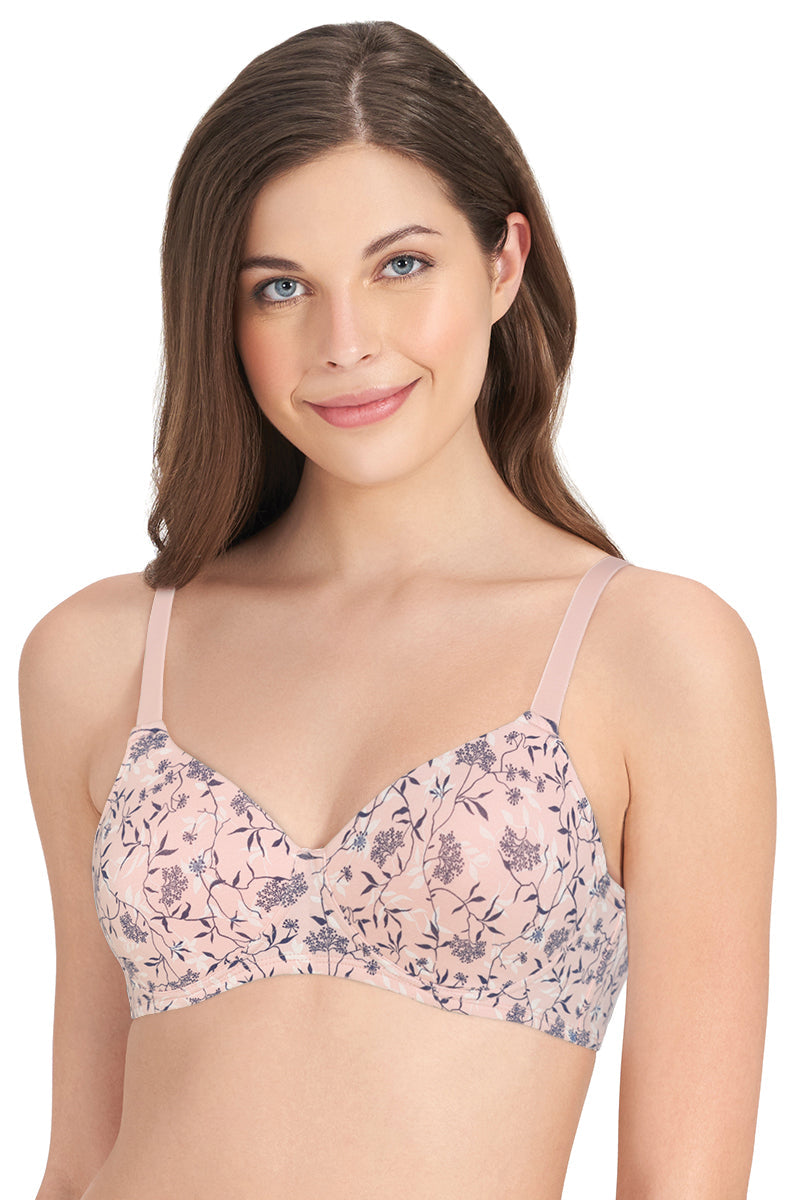
Summary: Choosing the right size in nightwear improves sleep quality, comfort, and movement through the night. Measure your bust, waist, and hips, use the size chart carefully, and consider fabric type and shrinkage. Nightwear should feel relaxed, breathable, and barely there, not tight or overly loose. The right fit supports rest, prevents bunching or restriction, and helps you wake up comfortable. We’ve all been there. You buy nightwear that looks perfect, soft fabric, cute colour, great deal. But the first night you wear it, the waistband digs in, the top rides up, or the sleeves feel oddly short. Nightwear sizing matters more than we think. After all, this is what you wear when your body is meant to fully relax. Choosing the right size in nightwear isn’t about looking a certain way; it’s about sleeping better, moving freely, and waking up comfortable. Let’s break it down. Unlike daywear, nightwear stays with you for hours, while you stretch, turn, curl up, and sleep in every possible position. The wrong size can quietly disrupt your sleep without you even realising why. The good news? Finding the right nightwear size is simpler than it sounds. With a few easy measurements, a better understanding of size charts, and some common mistakes to avoid, you can get nightwear that feels just right, night after night. Why the Right Nightwear Size Is Important Your body doesn’t stop moving when you sleep. In fact, most of us change positions multiple times during the night. Nightwear that’s too tight, too loose, or poorly fitted can affect: Sleep quality – tight waistbands or restrictive fits can disturb rest Comfort – excess fabric can bunch up or twist Temperature regulation – incorrect fit may trap heat or feel drafty Longevity of the garment – strained seams wear out faster Well-fitted nightwear supports uninterrupted sleep and allows your body to relax completely, which is exactly what nightwear is meant to do. How to Measure Your Body for Nightwear Sizing Before looking at size charts, knowing your actual measurements helps a lot, especially if you shop online. Here’s how to measure correctly: 1. Bust Measure around the fullest part of your bust. Keep the tape relaxed, not tight. 2. Waist Measure around the narrowest part of your waist, usually just above the belly button. 3. Hips Measure around the fullest part of your hips. 4. Length (optional but helpful) For nightdresses or long nightwear sets, check the garment length to ensure it sits comfortably. Tip: Always measure over light clothing or directly on the body for accuracy. How to Use a Nightwear Size Chart Correctly Size charts can feel confusing, but they’re your best friend when shopping for nightwear. Here’s how to use them right: Match your body measurements, not what you usually “wear” If your bust, waist, and hips fall into different sizes, go with the largest measurement Check product descriptions; some styles are intentionally relaxed or oversized Pay attention to fabric type (stretchy vs non-stretch) Nightwear is meant to feel easy and breathable, so don’t size down expecting a snug fit. How Nightwear Fit Affects Comfort While Sleeping Fit plays a huge role in how comfortable you feel through the night. Too tight: Restricts movement Can dig into skin while sleeping May feel uncomfortable when lying down Too loose: Excess fabric can twist or bunch up Can feel bulky under blankets May ride up during sleep The ideal nightwear fit: Allows free movement Sits gently on the skin Doesn’t cling or pull Feels barely there when you lie down If you forget you’re wearing it, that’s usually a good sign. Common Nightwear Sizing Mistakes to Avoid 1. Buying the same size as your outerwear Nightwear sizing is often more relaxed. What works for jeans or tops may not translate directly. 2. Ignoring fabric details Cotton, modal, satin, and blends all behave differently. Stretchy fabrics offer more flexibility, while woven fabrics need accurate sizing. 3. Choosing tight fits for “shape” Nightwear doesn’t need to define your body; it needs to support rest. Comfort always wins. 4. Not accounting for shrinkage Some fabrics may shrink slightly after washing. Always check care instructions. 5. Keeping uncomfortable nightwear “just in case” If it doesn’t feel good, it won’t magically feel better later. Conclusion Choosing the right size in nightwear is an act of self-care. It’s about listening to your body, understanding how you move during sleep, and prioritizing comfort over everything else. The right size won’t restrict, bunch, or distract, it will simply let you rest. And when nightwear fits well, sleep feels better. Simple as that. FAQs What Size to Choose If You Are Between Two Sizes? If you’re between sizes, it’s usually better to size up, especially for nightwear. A slightly relaxed fit is more comfortable for sleeping than something snug. Should Nightwear Be Loose or Fitted? Nightwear should be relaxed but not oversized. It should allow easy movement without excess fabric getting in the way. Does Nightwear Shrink After Washing? Some fabrics, especially cotton, may shrink slightly if not washed as per care instructions. Always follow the recommended wash guidelines to maintain size and fit. Check out our other blogs: Types of Nightwear for Every Women Nightdress vs Pajama: Which One Offers Better Comfort for Sleep? How to Choose the Perfect Winter Nightwear for Maximum Comfort