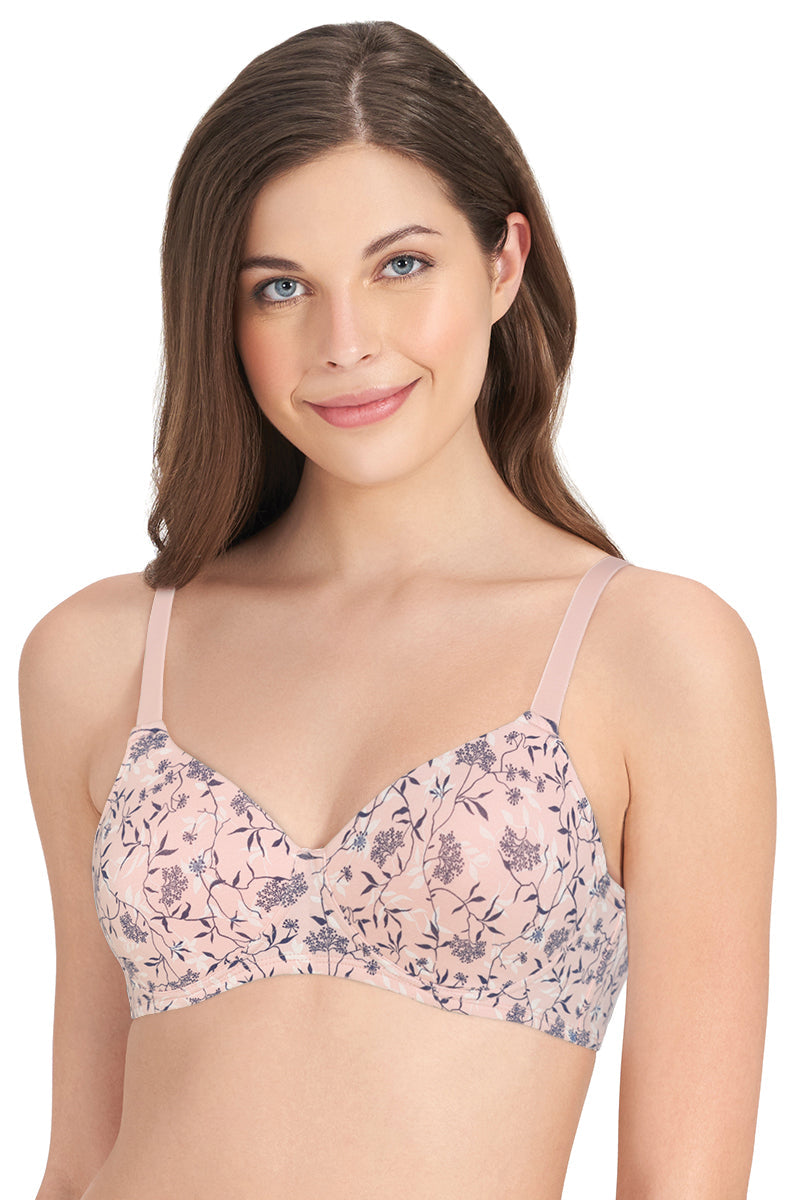
Summary: The D in bra size refers to cup size, meaning there is a 4 inch difference between your bust and band measurement. A D cup is about proportion, not size perception, and varies across band sizes like 32D, 34D, and 36D. Understanding measurements, sister sizes, and choosing supportive bra styles ensures proper fit, comfort, and confidence. Finding the right bra size can feel confusing, especially when it comes to understanding what the cup letter actually means. If you’ve ever wondered what the “D” in a bra size stands for, whether it’s considered big, or how it compares to other cup sizes, you’re not alone. At amanté, we believe that the perfect fit is the foundation of confidence. Whether you’re shopping for everyday bras, seamless styles, or occasion-ready lace lingerie, understanding your size, including what a D cup means, makes all the difference. In this complete guide, we’ll break down everything you need to know about the D cup, how to measure yourself correctly, and how to choose the right bra style for your shape. What is “D” in Bra Size? A bra size consists of two components: Band size (number) – Indicates the measurement around your ribcage, just under your bust (for example: 32, 34, 36). Cup size (letter) – Indicates the difference between your bust measurement and your band measurement. The “D” in bra size refers to the cup size, which represents the volume of your breasts relative to your band size. Here’s how it works: If your bust measurement is 4 inches larger than your band measurement, you are typically a D cup (in standard sizing systems). For example: Underbust: 34 inches Bust: 38 inches Difference: 4 inches Bra size: 34D Important to note: A D cup is not a fixed size. A 32D, 34D, and 36D all have different cup volumes because the band size changes the overall proportions. Use our "Bra Size Calculator" for accurate bra size measurement Is “D” Your Perfect Cup? Many people assume that a D cup automatically means “large.” But bra sizing is about proportion, not perception. A D cup simply means your bust measures approximately 4 inches more than your band size. On a smaller band (like 30D), it may look moderate. On a larger band (like 38D), the cup volume is significantly bigger. Your perfect cup size depends on: Accurate measurements Breast shape (full-on-top, full-on-bottom, evenly distributed) Personal comfort preferences The bra style you’re wearing If you experience issues like spillage, gaping, or discomfort, your cup size may not be right, even if you think you're a D. At amanté, our fit-first philosophy ensures that every bra, from T-shirt bras to lace balconettes, is engineered to support and enhance your natural shape. How Do I Calculate My Bra Size? Knowing how to measure yourself properly is key to finding the right D cup fit. Step 1: Measure Your Band Size Wear a non-padded bra. Wrap a measuring tape snugly around your ribcage, just below your bust. Round to the nearest whole number. Step 2: Measure Your Bust Size Measure around the fullest part of your bust. Keep the tape comfortably loose, not tight. Step 3: Calculate the Difference Subtract your band measurement from your bust measurement. Difference (inches) Cup Size 1 A 2 B 3 C 4 D 5 DD 6 E/F If your difference is 4 inches, you’re likely a D cup. However, sizing can vary slightly by brand and style. That’s why exploring well-constructed, supportive bras, especially in structured D cup designs, ensures the best fit. How a D Cup Differs from Other Cup Sizes Understanding how a D cup compares to nearby cup sizes helps you fine-tune your fit. C Cup vs D Cup: A D cup is one size larger in volume than a C cup. D Cup vs DD Cup: A DD cup (also called E in some sizing systems) is one size larger than a D cup. Sister Sizes: Sizes like 34DD and 36D may have similar cup volumes but different band fits. For example: 32D 34C 36B These are sister sizes, meaning the cup volume is similar, but the band size changes. If your band feels tight but the cup fits well, you may try going up a band size and down a cup size. How to Know If a D Cup Is Right for You Even if measurements suggest you’re a D cup, fit issues can indicate adjustments are needed. Signs Your D Cup Fits Correctly: Cups lie smooth against your skin No spillage over the top or sides No gaping or wrinkling Underband sits straight and snug Straps don’t dig into shoulders Centre gore lies flat against your chest Signs You May Need a Different Size: Overflowing or quad-boob → Cup too small Wrinkling fabric → Cup too large Band riding up → Band too loose Underwire digging → Incorrect band or cup Remember: Your breast size can fluctuate due to hormonal changes, weight shifts, or lifestyle factors. It’s a good idea to remeasure every 6–12 months. Choosing the Right Bra Style for a D Cup If you wear a D cup, choosing the right bra style enhances both support and silhouette. At Amanté, we design bras with structure, lift, and elegance in mind, without compromising on aesthetics. Here are the best styles for D cup sizes: 1. T-Shirt Bras T-Shirt Bras are perfect for everyday wear; they offer smooth coverage under fitted outfits. Look for: Light padding Seamless cups Supportive underband 2. Full Coverage Bras Ideal for maximum support and preventing spillage. Full Coverage Bras are great for: All-day wear Work outfits Larger band sizes with D cups 3. Balconette Bras Offers uplift and a flattering neckline. Balconette bras work beautifully for: Occasion wear Lower-cut blouses Structured outfits 4. Minimiser Bras Designed to redistribute breast tissue evenly, creating a balanced silhouette under tailored clothing. 5. Non-Wired Support Bras Modern bonded and seamless technology offers second-skin comfort with structured support, perfect for everyday ease. When shopping for a D cup, prioritise: Wider straps Strong underbands Quality fabrics Side support panels At amanté, our D cup bras are crafted with engineered fits, premium fabrics, and refined finishes to ensure you feel supported and confident from morning to night. Conclusion The “D” in bra size isn’t about being big or small, it’s about proportion and fit. A D cup simply means there’s a 4-inch difference between your bust and band measurement. Understanding your measurements, knowing how cup volumes differ across band sizes, and choosing the right style ensures your bra works with your body, not against it. Whether you’re looking for seamless everyday bras, elegant lace styles, or structured support for fuller busts, amanté offers thoughtfully designed lingerie that celebrates your natural shape. Because the right fit isn’t just about size, it’s about confidence. FAQs Is D cup bigger than DD? No. A DD cup is one size larger than a D cup. Each cup size increases in volume incrementally. Is D cup the same for all band sizes? No. A 32D, 34D, and 36D all have different cup volumes because cup size is relative to band size. As the band increases, the cup volume also increases proportionally. Are 34DD and 36D the same? They are considered sister sizes and may have similar cup volumes, but the band size differs. A 36D has a larger band than a 34DD, which can affect overall fit and support. If the band feels too tight in a 34DD, trying a 36D could provide more comfort, but always ensure the cups still fit properly. Check out our other blogs: What is ABCD in Bra Size? What is the "C" in Bra Size? What is "B" in Bra Size?