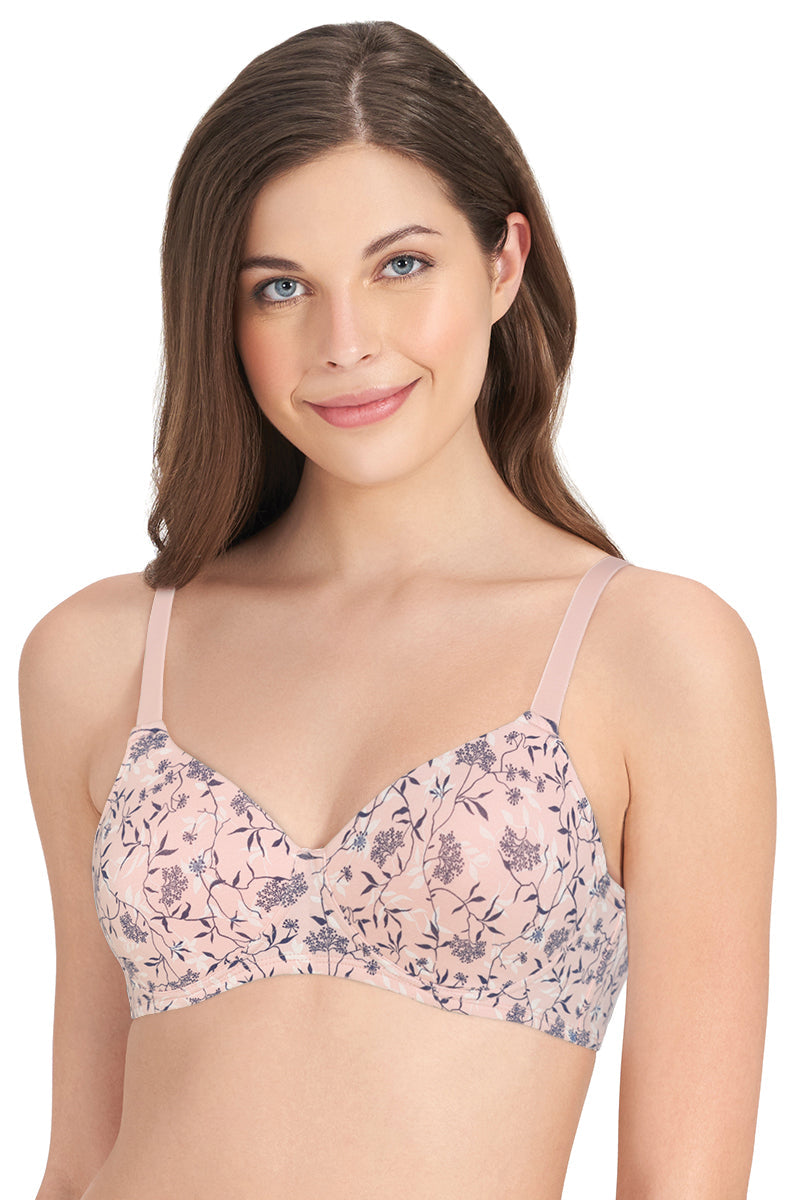
Summary: Knowing how to measure your swimwear size correctly helps you find a swimsuit that fits comfortably and flatters your body. Measure your bust, underbust, waist and hips using a soft measuring tape, then compare the measurements with the brand’s size chart. Accurate measurements help avoid sizing mistakes and ensure your bikini, one-piece, or high-waisted swimwear provides the right support and fit. Finding the perfect swimsuit can feel challenging, especially when sizing varies across different styles and brands. Unlike everyday clothing, swimwear needs to fit closely to the body while still allowing comfortable movement in the water. That’s why knowing how to measure your swimwear size correctly is an important first step before buying a swimsuit. A well-fitted swimsuit not only enhances comfort but also ensures better support and confidence when you’re at the beach or pool. Whether you’re shopping for a bikini, one-piece, or high-waisted swimwear, understanding your body measurements helps you select a style that fits and flatters. In this guide, we’ll walk you through how to measure your swimwear size step by step, highlight common sizing mistakes to avoid, and answer frequently asked questions about swimsuit fit. Step-by-Step Guide to Measuring Swimwear Size Before measuring, you’ll need a soft measuring tape and a mirror to ensure the tape sits correctly around your body. For the most accurate results, measure while wearing light clothing or fitted undergarments. 1. Measure Your Bust The bust measurement helps determine the top size of your swimwear. How to measure: · Wrap the measuring tape around the fullest part of your bust. · Ensure the tape remains parallel to the floor. · Keep it snug but not tight. This measurement is especially important when selecting bikini tops or one-piece swimsuits with built-in cups or support. 2. Measure Your Underbust (Optional but Helpful) If you’re choosing swimwear with bra-style support, measuring your underbust can help determine the band fit. How to measure: Wrap the tape around your ribcage just below the bust. Keep the tape firm but comfortable. This measurement is useful when selecting cup-sized swimwear tops. 3. Measure Your Waist The waist measurement helps determine the fit around the midsection, particularly for high-waisted bikini bottoms and one-piece swimsuits. How to measure: · Locate the narrowest part of your waist, typically above the belly button. · Wrap the measuring tape around your waist. · Ensure the tape is snug without compressing the skin. 4. Measure Your Hips The hip measurement is crucial when choosing the correct size for bikini bottoms and swimwear bottoms. How to measure: · Stand with your feet together. · Wrap the tape around the widest part of your hips and buttocks. · Keep the tape level and comfortable. This measurement ensures the swimsuit bottom fits properly without digging in or slipping. 5. Compare Your Measurements with a Size Chart Once you have your bust, waist, and hip measurements, compare them with the brand’s swimwear size chart. Since sizing can vary between brands, always refer to the specific chart provided. If your measurements fall between two sizes, consider the style of swimwear: · Stretchy fabrics may allow for a smaller size. · Structured or supportive swimwear may require the larger size. Common Swimwear Sizing Mistakes Even when measuring correctly, certain mistakes can lead to choosing the wrong swimsuit size. Being aware of these common errors can help you find a better fit. · Guessing your size: Many people rely on their usual clothing size instead of measuring. Swimwear sizing can differ from regular clothing, so measuring is always the best approach. · Using outdated measurements: Body measurements can change over time due to lifestyle, fitness routines, or natural fluctuations. Measuring yourself before buying new swimwear ensures a more accurate fit. · Ignoring fabric stretch: Most swimwear fabrics contain spandex or elastane, which allows the material to stretch. Choosing a size that is too large may result in a swimsuit that becomes loose after getting wet. Not considering swimwear style Different swimsuit styles fit differently. For example: · One-piece swimsuits require balanced bust, waist, and hip measurements. · Bikinis allow you to choose separate sizes for the top and bottom. Understanding the design of the swimwear can help you select the most suitable size. Conclusion Knowing how to measure your swimwear size correctly makes shopping for swimsuits much easier. By measuring your bust, waist, and hips accurately, you can find swimwear that offers both comfort and a flattering fit. Taking the time to measure yourself before purchasing also helps avoid the frustration of ordering the wrong size. Since swimwear is designed to fit close to the body, selecting the right size ensures better support and confidence whether you’re swimming, relaxing by the pool, or enjoying a beach vacation. With the right measurements and a reliable size chart, finding the perfect swimsuit becomes a simple and enjoyable experience. FAQs How do I know my swimsuit size? To determine your swimsuit size, measure your bust, waist, and hips using a soft measuring tape. Once you have these measurements, compare them with the brand’s swimwear size chart to find the closest match. Can I use my bra size for swimwear? In some cases, yes. Certain swimwear tops are designed using bra-style sizing, which means your bra cup size can help determine the correct swimwear top size. However, it’s still recommended to check the specific swimwear size guide. Should swimwear be tight or loose? Swimwear should feel snug but comfortable. Because swimwear fabrics stretch when wet, a slightly fitted feel is usually ideal. A swimsuit that is too loose may shift or lose support in the water, while one that is too tight may feel restrictive. Check out our other blogs: Swimwear Care Tips: Prolonging the Lifespan of Your Swimsuits Swimsuit Shopping Mistakes to Avoid The Ultimate Swimwear Guide