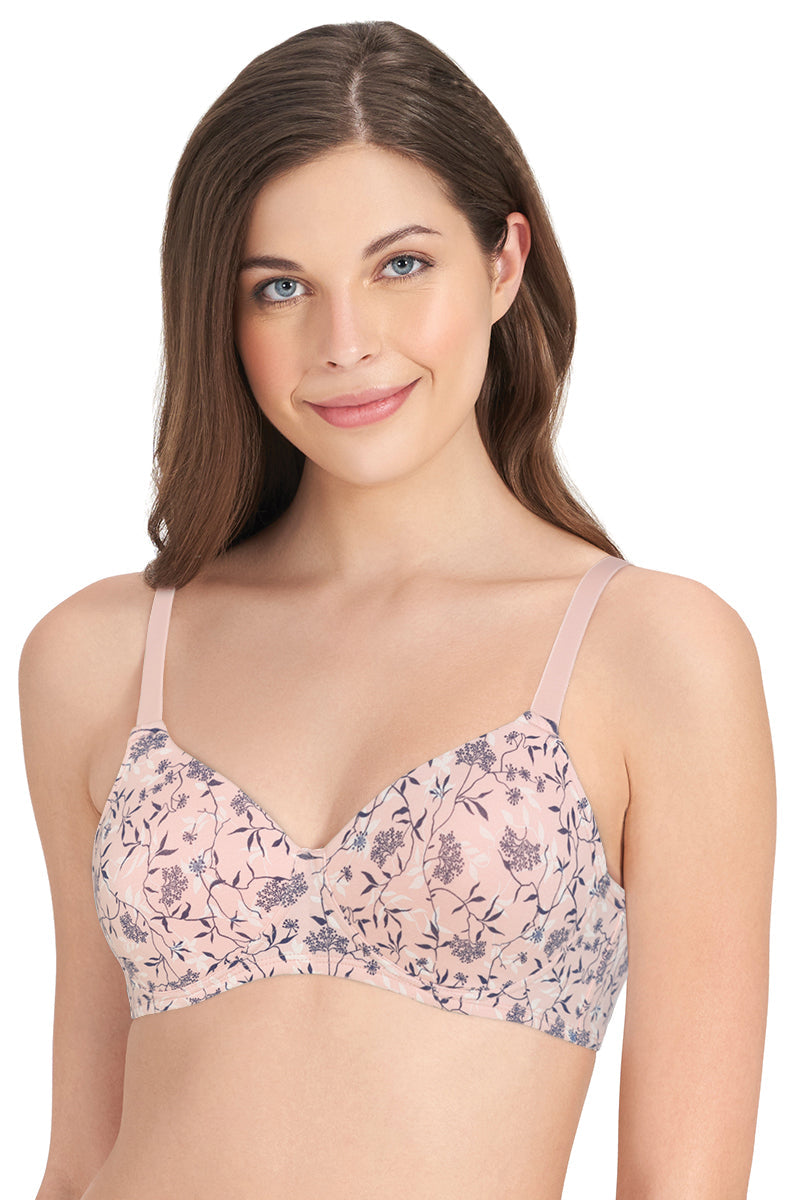
Summary: Maternity bras support and provide comfort during pregnancy with stretch and gentle fabrics, while nursing bras feature drop-down cups for easy breastfeeding after delivery. Nursing bras are versatile, offering convenience and support throughout motherhood, making them a practical choice before and after childbirth for changing bodies and busy moms. Pregnancy and motherhood bring a lot of changes to your body, and one of the most noticeable is in your bust. As your breasts grow, become more sensitive, and later prepare for feeding, the bras you wear play a huge role in keeping you comfortable and supported. Two terms that often come up during this stage are maternity bra and nursing bra. At first glance, the two may sound similar, and many women use the terms interchangeably. But while both are designed to support you during this special phase, there are key differences that can help you decide which one you truly need. At amanté, we specialize in nursing bras that offer comfort, support, and convenience for new moms. In this guide, we’ll break down the nursing vs maternity bra comparison and help you choose the right bra for every stage. What is a Maternity Bra? A maternity bra is specifically designed to support your breasts during pregnancy. As your body prepares for motherhood, your breasts often become fuller, more tender, and more sensitive. Regular bras may start to feel restrictive, especially with underwires and firm bands. Maternity bras are made to adapt to these changes by offering: Extra stretch and flexibility to accommodate growth throughout pregnancy. Soft, non-restrictive fabrics that prevent irritation and discomfort. Wider straps and supportive bands to handle the added weight of fuller breasts. Wire-free construction in most cases, so nothing digs into your ribcage. Think of a maternity bra as the comfort-first solution during your pregnancy months, helping you feel supported and easing pressure on your back and shoulders. What is a Nursing Bra? A nursing bra, on the other hand, is designed for postpartum use when you are breastfeeding. While it also offers comfort and support, its standout feature is easy access for feeding. Nursing bras have special features like: Drop-down cups or front-open panels that allow you to feed your baby without removing the bra. Soft, stretchable fabrics to handle fluctuations in breast size before and after feeding. Extra support to keep you comfortable during long days and nights of nursing. Wire-free or flexible designs to prevent clogged ducts or discomfort. At amanté, our nursing bras combine functionality with style, ensuring you don’t have to compromise on looking good while taking care of your little one. They are designed to be worn not just for feeding but also as comfortable everyday bras during the postpartum phase. Nursing vs Maternity Bra: Key Differences While both maternity and nursing bras prioritize comfort and support, they serve slightly different purposes. Here are the main differences: Feature Maternity Bra Nursing Bra Purpose To provide comfort and support during pregnancy To make breastfeeding easier and more convenient Key Design Stretchy fabric, no wires, extra support Drop-down cups or panels for feeding access When to Wear During pregnancy (2nd & 3rd trimester) After delivery, during the breastfeeding stage Support Focused on accommodating breast growth Supports fluctuating sizes and frequent feeding Accessibility No special feeding access Designed with nursing functionality How to Choose the Right Bra for Each Stage of Pregnancy Pregnancy and postpartum are unique journeys, and your lingerie needs change along the way. Here’s a guide to help you decide what works best: During Pregnancy In the first trimester, you might get away with your regular bras, but by the second trimester, many women feel their usual bras are too tight. A maternity bra is designed to ease this transition. It accommodates growth and reduces strain on your shoulders and back. Look for bras with wide straps, soft fabrics, and stretchable bands to ensure comfort throughout the day. After Delivery Once your baby arrives, comfort and convenience take center stage. This is where a nursing bra becomes essential. Nursing bras by amanté feature drop-down cups, so you can feed easily without having to undress or struggle with straps. Since breastfeeding often causes breast size to fluctuate, a nursing bra’s flexibility and support ensure you stay comfortable all day long. Even if you’re not breastfeeding exclusively, nursing bras double up as excellent everyday bras thanks to their wire-free support and breathable fabrics. Transition Tip Some women choose to skip maternity bras and invest directly in nursing bras toward the end of their pregnancy. Since nursing bras also provide stretch, support, and comfort, they can be worn during late pregnancy and continue to serve you postpartum. This makes them a more practical choice, especially if you prefer to buy fewer bras during this stage. Conclusion When comparing a nursing vs maternity bra, it’s clear that both are designed with your changing body in mind, but they serve different phases of your motherhood journey. A maternity bra supports you during pregnancy, helping ease the discomfort of growing breasts. A nursing bra, like the ones offered by amanté, supports you postpartum while also making breastfeeding more convenient with its functional design. If you’re looking for a bra that goes beyond pregnancy and continues to serve you after childbirth, a nursing bra is the most versatile investment. With the right lingerie, you’ll feel comfortable, supported, and confident throughout your motherhood journey. FAQ Do I need a maternity bra if not breastfeeding? Not necessarily. If your regular bras feel too tight during pregnancy, a maternity bra can provide comfort and support. However, if you prefer a more versatile option, a nursing bra can be worn both during pregnancy and after, making it a practical alternative. When to start using a maternity bra? Most women start wearing maternity bras in the second trimester, when breast size increases noticeably and regular bras start to feel restrictive. If you choose to buy a nursing bra instead, you can start wearing it around this time too, so it continues to serve you after delivery. Check out our other blogs: Maternity Bra vs Regular Bra What is Maternity bra? What is the use of it?