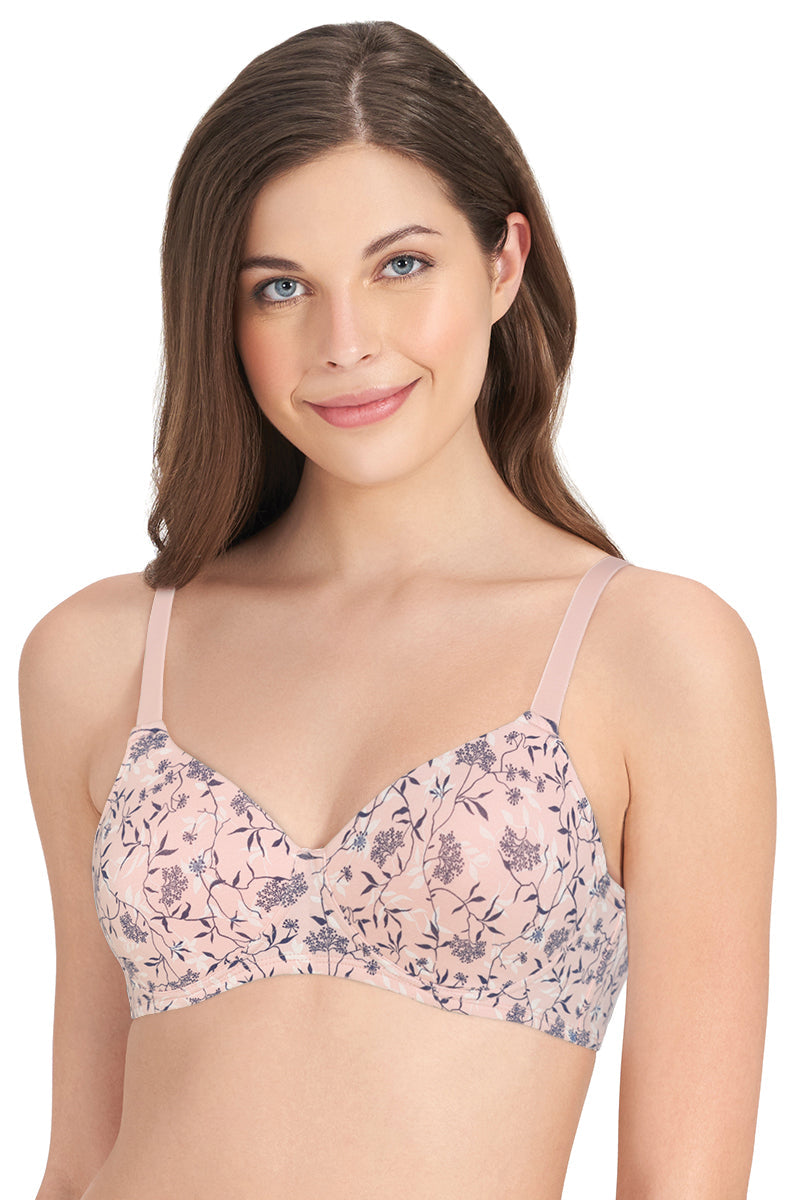
Summary: A bra that feels uncomfortable after a few hours often points to issues with fit, fabric, or support. Factors like incorrect band size, cup mismatch, tight straps, underwires, and non-breathable materials can cause discomfort over time. Choosing the right size, supportive band, and breathable fabric helps ensure your bra feels comfortable and stays in place throughout the day. You start your day feeling put together, your bra fits well, your outfit sits just right, and everything feels effortless. But as the hours pass, that same bra starts to feel restrictive. The straps begin to press into your shoulders, the band feels tighter than it did in the morning, and you find yourself adjusting it more often than you’d like. This shift from comfort to discomfort isn’t something you have to accept as normal. In most cases, it points to subtle issues with fit, fabric, or construction that become more noticeable over time. Understanding why your bra feels uncomfortable after a few hours can help you make better choices, and ultimately find styles that feel just as good at the end of the day as they do at the beginning. Common Reasons Your Bra Feels Uncomfortable Incorrect Band Size: One of the most common reasons behind bra discomfort is an incorrect band size. The band is responsible for the majority of support, so when it’s even slightly off, the impact builds over time. A band that’s too tight can start to feel restrictive and dig into your skin, while one that’s too loose shifts around, forcing other parts of the bra, like the straps, to compensate. Incorrect Cup Size: Cup size plays an equally important role. When cups are too small, they can create pressure and spillage, while cups that are too large may lead to gaps and instability. In both cases, the bra fails to properly support your shape, leading to constant adjustments and growing discomfort as the day goes on. Strap Issues: Straps are often blamed for discomfort, but they’re usually only part of the issue. If they’re digging into your shoulders, it’s often because the band isn’t doing its job. Over-tightening straps might offer temporary relief, but it tends to worsen discomfort over time by adding unnecessary pressure. Underwire Problems: Underwires, when present, should sit flat against your ribcage and follow your natural shape. If they poke, pinch, or sit on breast tissue, it’s a sign that the size or style isn’t right for you. This can become particularly uncomfortable after hours of movement. Fabric Concerns: Fabric also plays a quiet but significant role. Bras made from non-breathable or stiff materials can trap heat and moisture, leading to irritation. As the day progresses, this can make the bra feel heavier and less comfortable against your skin. Wear and Tear: Another factor that often goes unnoticed is simple wear and tear. Bras lose elasticity with repeated use and washing, which affects how they fit and support you. A bra that once felt perfect may no longer offer the same comfort after months of wear. Body Changes Throughout the Day: Finally, your body itself changes throughout the day. Slight bloating, hormonal fluctuations, or fluid retention can alter how your bra fits, making it feel tighter or less accommodating by evening. Signs Your Bra Doesn’t Fit Properly If your bra consistently feels uncomfortable after a few hours, it’s worth paying attention to how it fits from the start. A bra that rides up at the back or leaves deep marks on your skin is often not the right size. Similarly, if the straps either dig in or constantly slip off, it’s usually a sign that the fit needs adjustment. Cups that gape or spill over indicate a mismatch between your breast shape and the bra design. Underwires that poke or sit awkwardly are another clear signal that something isn’t right. Perhaps the most telling sign is how often you feel the need to adjust your bra throughout the day. When the fit is correct, it should stay in place with minimal effort. Choosing the Right Bra for All-Day Comfort Get the Right Fit: Finding a bra that remains comfortable all day starts with getting the fit right. Since your size can change over time, it’s important to reassess it periodically rather than relying on what has worked in the past. Focus on the Band Support: A well-fitting band should sit level across your back and feel secure without being restrictive. It should provide most of the support, allowing the straps to rest lightly on your shoulders rather than carry weight. When the band is right, everything else tends to fall into place more naturally. Choose the Right Cup Shape: The shape of the cup matters just as much as the size. Different styles are designed for different needs; some offer full coverage and support, while others are better suited for lighter wear or specific outfits. Choosing a bra that aligns with both your shape and your lifestyle can significantly improve long-term comfort. Pay Attention to Fabric: Fabric is another detail worth paying attention to. Soft, breathable materials can make a noticeable difference, especially if you’re wearing your bra for extended hours. Seamless finishes and lightweight constructions tend to feel less restrictive and more adaptable throughout the day. Rotate Your Bras: It’s also helpful to rotate your bras instead of wearing the same one repeatedly. This allows the elastic to recover between wears and helps maintain the original fit and support for longer. Consider Your Daily Routine: Most importantly, consider your daily routine. A bra that works for a short outing may not be ideal for a full workday. Choosing styles that are designed for extended wear can help ensure consistent comfort from morning to evening. Conclusion A bra that becomes uncomfortable after a few hours is usually telling you something, whether it’s about the fit, the fabric, or the way it’s being worn. Instead of adjusting and readjusting throughout the day, the goal should be to find a bra that feels effortless from the moment you put it on. With the right fit and thoughtful choices, your bra should feel supportive without being noticeable. When everything aligns, comfort isn’t something you think about; it’s something you simply experience. FAQs Why does my bra feel uncomfortable after a few hours? Discomfort typically builds due to issues with fit, support, or fabric. As the day progresses, pressure points and subtle body changes can make these issues more noticeable. Is it normal for a bra to feel uncomfortable by the end of the day? While slight fatigue can happen, consistent discomfort is not something you should expect. A well-fitted bra should remain comfortable throughout the day. Can tight straps cause bra discomfort? Yes, but they’re often a symptom rather than the main cause. Tight straps usually indicate that the band isn’t providing enough support. Does fabric affect how comfortable a bra feels? Absolutely. Breathable, soft fabrics tend to feel lighter and more comfortable over time, while stiffer materials can lead to irritation and discomfort. Check out our other blogs: Types of Bra: 28 Different Bras Style Guide for Women Bra for Different Outfits: A Complete Guide from Our Experts Types of Breasts and Best Bras for Different Breast Shapes, Sizes