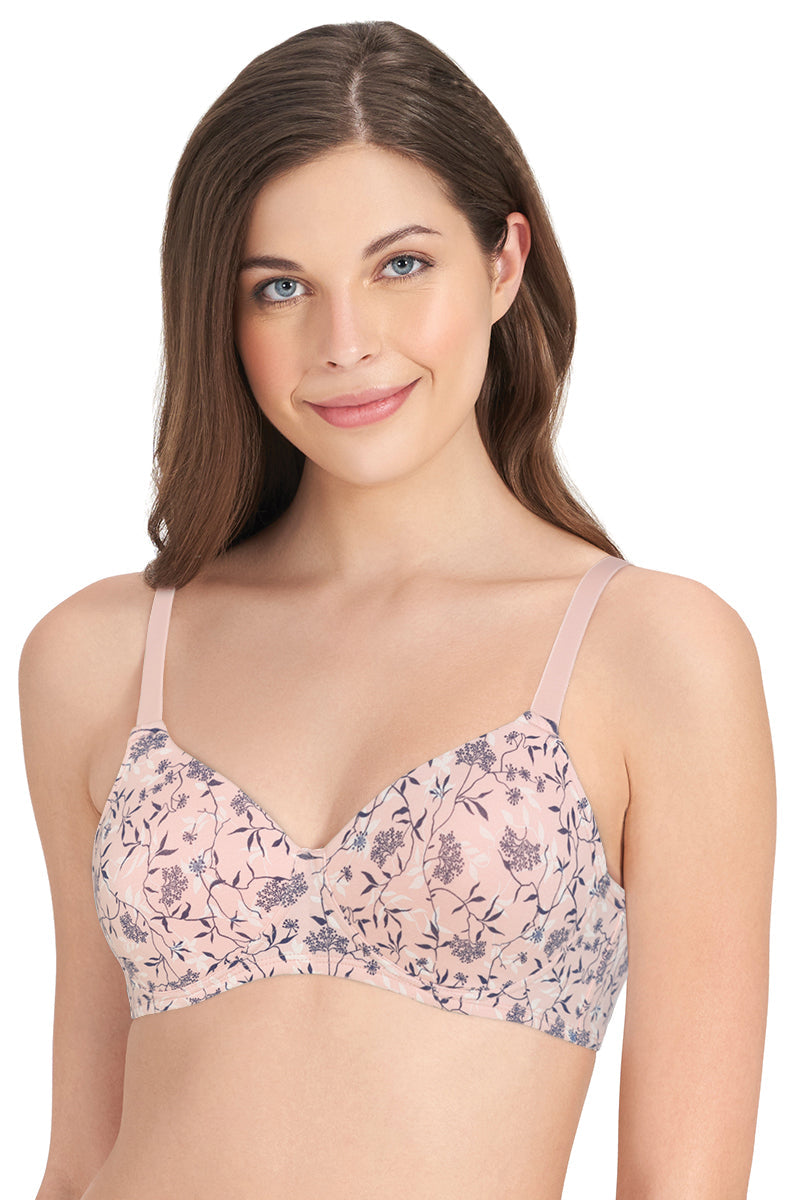
Summary: A plunge bra features a deep V shaped centre, perfect for wrap dresses, V necks and low necklines where it stays invisible. A balconette bra lifts the bust with wider straps and more coverage, ideal for square necks, boat necks and structured outfits. Plunge means depth, balconette means lift, and most women benefit from owning both. "I love this dress... but I don't have the right bra." It's a sentence most women have said at least once. Maybe it's a wrap dress that gaps awkwardly because your bra sits too high. Or perhaps it's a square-neck top that somehow doesn't look as flattering as it did on the mannequin. Sometimes the outfit isn't the problem at all, it's simply wearing the wrong foundation underneath. Bras have quietly become wardrobe specialists. Some are designed for long workdays, others for intense workouts, and a few exist purely to solve tricky necklines. Among these specialists, plunge bras and balconette bras are often the most misunderstood. At first glance, they're easy to confuse. Both lift, shape and flatter. Both feel feminine. Both can work for everyday wear. But beneath the surface, they're designed for completely different jobs. Think of them like shoes. You wouldn't wear stilettos for a morning walk or trainers to a wedding. Similarly, the bra you choose depends on where you're wearing it and what you're wearing over it. So if you've ever stood in front of your wardrobe wondering whether a plunge or a balconette bra is the better investment, this guide is for you. What Is a Plunge Bra? Imagine drawing a deep "V" between the cups of a bra. That's the defining feature of a plunge bra. Unlike traditional bras, where the centre panel sits relatively high, a plunge bra lowers that centre dramatically. This creates space for deeper necklines while still offering support and shape. But there's another reason women love plunge bras. They create a naturally enhanced silhouette. Because the cups are angled inward, the bust is gently brought towards the centre. The result isn't exaggerated cleavage, it's simply a more defined shape that works beautifully under V-neck dresses, wrap tops and eveningwear. Where did plunge bras become popular? Interestingly, plunge bras weren't originally designed as fashion statements. They became popular as necklines evolved. Designers started experimenting with wrap dresses, slip dresses, plunge necks and evening gowns, and women needed lingerie that stayed hidden without sacrificing support. Today, they're one of the most versatile bras in a wardrobe. Not because every outfit has a deep neckline, but because when it does, nothing else works quite as seamlessly. When should you wear a plunge bra? Picture your wardrobe. Do you own: · Wrap dresses? · Satin camisoles? · V-neck T-shirts? · Cocktail dresses? · Occasion wear? · Deep-neck kurtas? If you're nodding yes, a plunge bra will probably become one of your most-used bras. It's designed to stay invisible while helping your clothes sit exactly as they're meant to. What Is a Balconette Bra? If the plunge bra disappears beneath clothing, the balconette bra celebrates it. Named after the shape of a balcony, this style lifts the bust from below rather than drawing it inward. The cups are cut horizontally, creating a beautifully open neckline while offering slightly more coverage than a plunge bra. The straps also sit wider apart. This small design detail changes everything. It allows square-neck dresses, boat necks and sweetheart necklines to sit more naturally on the body. Instead of creating dramatic cleavage, a balconette bra focuses on lift. Think graceful rather than glamorous. Elegant rather than dramatic. It's the bra that quietly makes everything fit better. Why do fashion stylists love balconette bras? There's a reason you'll often find balconette bras backstage during fashion shoots. They create structure. Tailored blazers sit better. Structured dresses look smoother. Cotton shirts fall more naturally. Rather than changing your silhouette, they refine it. For women who appreciate classic dressing, it's often one of the most dependable bra styles they'll own. Plunge Bra vs Balconette Bra: The Key Differences This is where most buying guides simply create a comparison table. But the real difference isn't about numbers or measurements. It's about intention. A plunge bra is built around the neckline. A balconette bra is built around shape. When you wear a plunge bra, the first thing it does is disappear. It allows your outfit to take centre stage while subtly enhancing your natural curves. A balconette bra, meanwhile, focuses on creating a lifted, rounded profile. It offers more coverage across the cups, making it feel secure without looking bulky. If we were to compare them visually, imagine two photographs. In the first, a woman is wearing a silk wrap dress with a deep V-neck. A plunge bra allows the neckline to remain clean and uninterrupted. In the second, she's wearing a square-neck linen dress. Here, a balconette bra lifts beautifully without peeking through the neckline. Neither bra is better. They're simply solving different styling challenges. Here's an easy way to remember it: Plunge = Depth Balconette = Lift If your neckline goes lower, reach for a plunge. If your neckline goes wider, reach for a balconette. It's really that simple. Which One Suits Your Body Shape? One of the biggest misconceptions is that certain bras are only meant for certain body types. That's rarely true. The better question is: How do you like your bust to look? If you enjoy a naturally centred silhouette with gentle enhancement, you'll probably appreciate a plunge bra. If you prefer a lifted, rounded profile that feels balanced under structured clothing, a balconette may feel more comfortable. Cup size also plays a role. Many women with fuller busts appreciate balconette bras because of their additional coverage and supportive cup construction. Meanwhile, women with smaller or medium busts often love plunge bras for the natural definition they create. The best answer, however, is always proper fit, not cup style. Which Bra Works Best With Different Outfits? Here's where things become fun. Imagine planning outfits for an entire week. Monday's office blazer? Balconette. Tuesday's V-neck knit? Plunge. Friday night's satin dress? Definitely plunge. Sunday brunch in a square-neck top? Balconette again. Once you begin thinking of bras as wardrobe companions instead of just undergarments, shopping becomes much easier. Instead of asking, "Which bra should I buy?" You'll start asking, "Which outfit needs solving?" And that's when lingerie shopping becomes far less overwhelming. Can You Own Just One? Technically... Yes. Practically... Probably not. Most women eventually realise these two bras aren't substitutes. They're teammates. A plunge bra solves problems a balconette can't. A balconette supports outfits a plunge wasn't designed for. Together, they cover almost every neckline in a modern wardrobe. If you were building a capsule lingerie collection, these would probably be two of the very first bras you'd include. Conclusion The best bra isn't the one that's trending. It's the one that quietly disappears while making you feel confident. A plunge bra gives your deeper necklines the freedom they deserve. A balconette bra brings elegance, lift and everyday versatility to wider necklines. Instead of asking which style is better, ask which outfit you're dressing for. Because the right lingerie doesn't compete with your clothes. It completes them. Check out our other blogs: Push-Up Bras vs Normal Bras – What is the difference What Is Plunge Bra: A Comprehensive Guide What is the Difference Between T-Shirt Bra and a Regular Bra