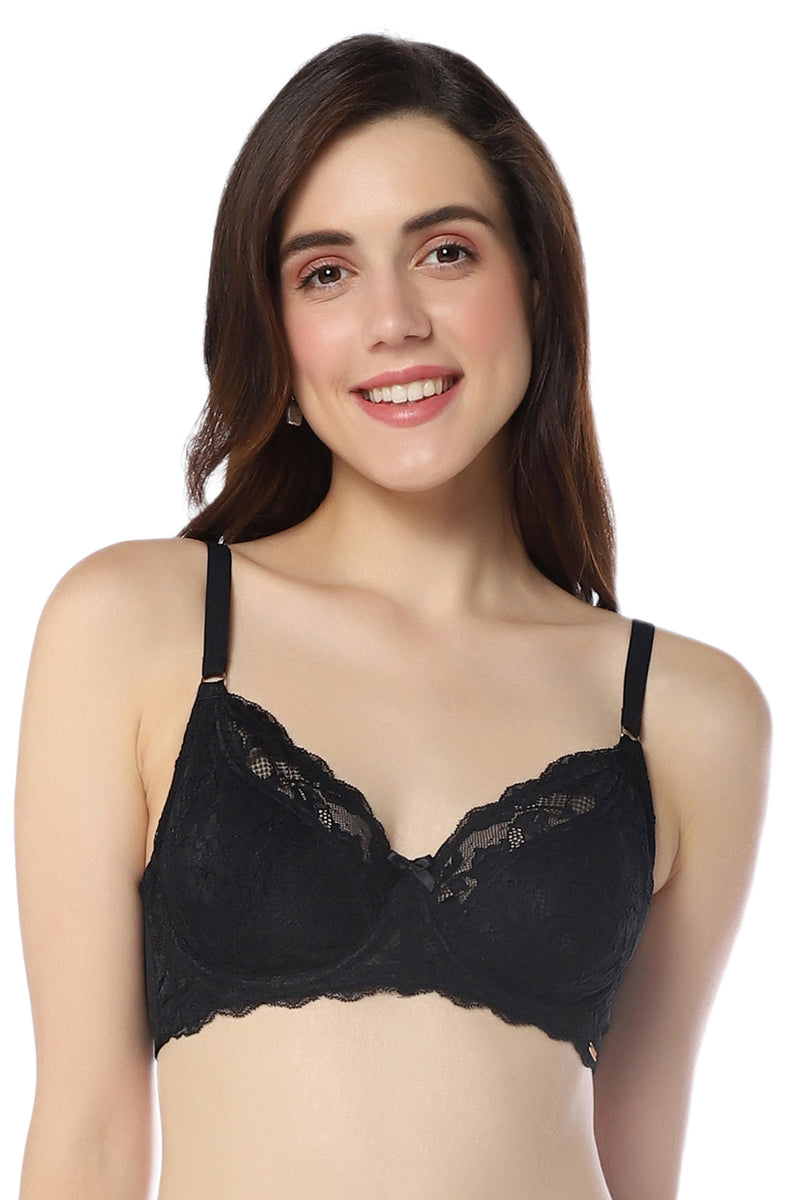
Summary: Washing bras properly helps maintain their shape, elasticity, and longevity. Hand washing is the gentlest method for delicate fabrics, lace bras, and underwire styles, while machine washing can work for everyday bras when using a lingerie bag and delicate cycle. Using mild detergent, avoiding hot water, and air drying helps protect cup shape, elastic bands, and overall bra structure. Bras are one of the most essential pieces in a woman’s wardrobe, yet they are often among the most delicate garments to care for. Proper washing is key to maintaining their shape, elasticity, and overall longevity. However, many people wonder whether bras should always be hand washed or if it’s safe to toss them into the washing machine. The truth is that both methods can work, provided they are done correctly. Understanding the right techniques can help prevent fabric damage, stretched bands, bent wires, and misshapen cups. In this guide, we’ll explore the best way to wash bras, explain the difference between hand washing and machine washing, and share helpful tips to keep your favourite bras looking and feeling like new for longer. What’s the Best Way to Wash a Bra? The best way to wash a bra depends on the fabric, construction, and care instructions provided by the brand. In most cases, hand washing is considered the gentlest method, as it minimizes friction and stress on delicate materials. However, modern washing machines with delicate cycles can also clean bras safely when proper precautions are taken. Here are the two common approaches: · Hand washing – Best for lace bras, delicate fabrics, and bras with underwire. · Machine washing – Suitable for sturdier everyday bras when placed in a laundry bag and washed on a gentle cycle. Regardless of the method you choose, using a mild detergent and avoiding high heat will help protect the bra’s structure. Why Proper Bra Washing Matters Bras are designed with stretchable elastic bands, delicate fabrics, and structured cups, all of which require careful handling. Improper washing can cause the bra to lose its shape or support much faster. Here’s why proper bra care is important: · Maintains elasticity: Frequent exposure to heat and aggressive washing can weaken elastic bands, leading to a loose fit. · Protects cup shape: Padded and moulded bras can lose their form if they are crushed or twisted during washing. · Prevents fabric damage: Delicate materials such as lace or mesh can snag easily in the washing machine. · Extends bra lifespan: With the right care routine, bras can maintain their fit and support for much longer. Taking a few extra minutes to wash bras properly can significantly increase their durability and performance. Hand Washing Bras: Step-by-Step Guide Hand washing is widely recommended because it is the gentlest way to clean bras. It helps maintain the bra’s structure while effectively removing sweat and oils. Follow these simple steps: 1. Fill a basin with lukewarm water Avoid hot water, as it can weaken elastic fibers. 2. Add mild detergent Use a small amount of gentle detergent designed for delicate fabrics. 3. Soak the bras Place the bras in the water and let them soak for 10–15 minutes. 4. Gently clean Lightly rub areas like the underband and straps, where sweat and oils accumulate. 5. Rinse thoroughly Rinse with cool water until all detergent residue is removed. 6. Remove excess water Press the bra gently between a towel. Avoid twisting or wringing it. Hand washing is especially ideal for: · Lace bras · Underwire bras · Padded bras · Delicate lingerie sets Machine Washing Bras: How to Do It Safely While hand washing is recommended, machine washing can still be done safely if the right precautions are taken. Here’s how to machine wash bras without damaging them: · Use a laundry bag: Place bras inside a mesh lingerie bag to prevent tangling and friction with other garments. · Fasten the hooks: Closing the bra hooks helps prevent them from snagging other clothing. · Select a delicate cycle: Choose a gentle or delicate cycle with cold water. · Use mild detergent: Avoid strong detergents or bleach, as they can weaken elastic fibers. · Wash with similar items: Wash bras with lightweight fabrics like underwear or sleepwear, not heavy garments like jeans or towels. Machine washing is generally more suitable for everyday bras made with durable fabrics, but delicate styles should still be hand washed whenever possible. Hand Wash vs Machine Wash: Key Differences Both washing methods have their advantages. Here’s how they compare: Hand Washing Machine Washing Gentle on delicate fabrics Faster and more convenient Helps maintain shape and elasticity Requires protective steps like laundry bags Best for lace and underwire bras Suitable for everyday bras Less risk of fabric damage Slightly higher risk of wear over time If you want to maximize the lifespan of your bras, hand washing remains the safest option. What Not to Do When Washing Bras Certain habits can damage bras quickly and shorten their lifespan. Avoid the following mistakes: · Using hot water: High temperatures weaken elastic fibers and distort cups. · Using bleach or harsh detergents: Strong chemicals can damage delicate fabrics. · Wringing bras: Twisting bras to remove water can bend wires and ruin cup shape. · Putting bras in the dryer: Heat from dryers can shrink fabrics and damage elastic bands. · Washing with heavy clothing: Items like jeans or jackets create friction that can damage bras. Being mindful of these common mistakes will help preserve the structure and support of your bras. How Often Should You Wash Your Bra? Bras do not need to be washed after every single wear, but they should be cleaned regularly to remove sweat, oils, and bacteria. Most experts recommend washing bras after every 2–3 wears, depending on activity levels and weather conditions. You may need to wash them more frequently if: · You live in a warm or humid climate · You wore the bra during physical activity · The bra feels sweaty or stretched Rotating between multiple bras also helps them recover their elasticity between wears. How to Dry Bras Properly Drying bras correctly is just as important as washing them. Here are the best practices: · Air dry only: Lay bras flat on a towel or hang them to air dry. Avoid dryers completely. · Reshape the cups: Before drying, gently reshape the cups to maintain their structure. · Avoid direct sunlight: Prolonged sunlight can weaken elastic fibers and fade colors. · Hang carefully: If hanging bras, avoid hanging them by the straps alone, as this can stretch them over time. Proper drying helps maintain the fit, support, and appearance of your bras. Conclusion Knowing how to wash bras properly can make a big difference in maintaining their shape, elasticity, and longevity. While hand washing remains the gentlest method, machine washing can also be safe when done carefully using a delicate cycle and a lingerie bag. By using mild detergent, avoiding heat, and air drying your bras, you can keep them looking and performing their best for longer. With the right care routine, your favourite bras will continue to provide support, comfort, and style for many wears to come. FAQs Can you put bras in the washing machine? Yes, bras can be washed in the washing machine if done carefully. Place them in a mesh laundry bag, fasten the hooks, and use a delicate cycle with cold water to reduce damage. How long do bras last? On average, bras last 6 months to a year, depending on how often they are worn and how well they are cared for. Proper washing and rotating between bras can help extend their lifespan. How do you wash padded bras? Padded bras should ideally be hand washed in lukewarm water using mild detergent. This prevents the padding from losing shape. If machine washing, place them in a lingerie bag and use a gentle cycle. Check out our other blogs: How Often Should You Wash Activewear? Expert Tips Inside How to Pack Lingerie Smartly Without Damaging Fabrics Swimwear Care Tips: Prolonging the Lifespan of Your Swimsuits