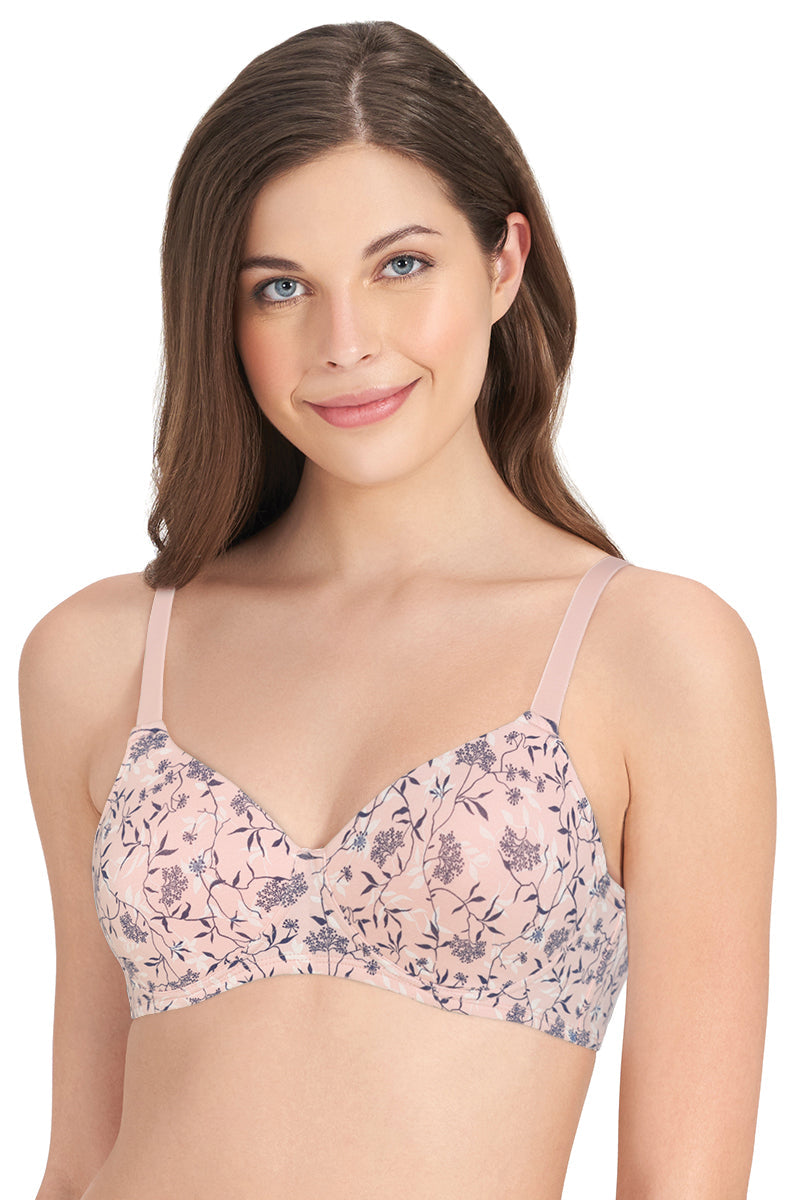
Summary: Choosing the right swimsuit colour affects safety, comfort, and confidence. Bright colours improve visibility in water, while darker shades offer better coverage and prevent transparency. Lighter tones may need lining to avoid sheerness. By considering your environment, fabric, and personal style, you can select a swimsuit colour that helps you feel comfortable, visible, and confident in and out of the water. Choosing the perfect swimsuit isn’t just about style; it’s also about safety, confidence, and how you feel both in and out of the water. While fit and fabric often take center stage, color plays a surprisingly important role in your overall swim experience. The right swimsuit color can enhance visibility, prevent transparency mishaps, and even complement your skin tone and setting, whether you're lounging poolside or diving into the ocean. At amanté, we believe swimwear should feel as good as it looks. This guide breaks down how to choose swimsuit colors that balance safety, comfort, and style, so you can focus on enjoying every moment. Why Swimsuit Colour Matters Swimsuit color isn’t just a design choice, it impacts both functionality and confidence. From a safety perspective, color affects how visible you are in water. This is especially important in deeper pools, lakes, or beaches where visibility can decrease quickly. Bright, high-contrast colors are easier to spot both above and below water, which can be crucial in crowded or open-water environments. From a comfort standpoint, color can influence how your swimsuit behaves when wet. Some lighter shades may become sheer, while darker tones tend to offer more coverage. Additionally, color affects how heat is absorbed, darker shades can feel warmer under the sun, while lighter hues stay cooler. And of course, there’s the confidence factor. The right color can enhance your natural features, complement your wardrobe, and align with your personal style—whether you prefer timeless neutrals or vibrant statement shades. Best Swimsuit Colors for Water Visibility When it comes to safety, visibility is key, especially if you’re swimming in open water or supervising children. Bright, High-Visibility Colors Neon shades like lime green, bright orange, hot pink, and fluorescent yellow are among the most visible colors in water. These hues stand out against both blue pool water and darker natural bodies like lakes or oceans. Neon green and orange are particularly effective underwater Hot pink offers a strong contrast in most water conditions Bright yellow works well in both shallow and deep water These colors are ideal for active swimmers, beach vacations, or water sports where being seen easily is important. Solid, Bold Shades If neon isn’t your style, opt for bold, saturated colours like red, cobalt blue, or fuchsia. While slightly less visible than neon, they still offer good contrast compared to muted tones. Colors to Be Cautious With Blues and aquas tend to blend into pool or ocean water White and pale pastels may fade visually underwater Black can disappear in deeper or murky water If safety is a priority, it’s best to avoid these as primary colors, especially for kids or non-confident swimmers. Swimsuit Colors to Avoid for Transparency Issues There’s nothing worse than stepping out of the water and realizing your swimsuit has become see-through. Color plays a big role in preventing this. Light Colors and Sheerness Light shades like white, baby pink, pastel yellow, and light blue are more prone to becoming transparent when wet, especially if the fabric isn’t lined. White is the most common culprit Pale tones can lose opacity under direct sunlight and water How to Avoid Transparency Look for double-lined swimsuits: A lining adds an extra layer of coverage Choose textured or ribbed fabrics: These tend to hold their structure better Opt for prints or patterns: They naturally disguise transparency Test before wearing: A quick water test at home can save you surprises later Dark and Rich Colors for Confidence Darker shades like black, navy, deep green, and burgundy are generally safer choices for full coverage. They maintain opacity when wet and offer a sleek, flattering look. Quick Tips for Choosing the Right Swimsuit Color Choosing the right swimsuit color doesn’t have to be complicated. Here are some quick, practical tips to guide you: 1. Prioritize visibility for active settingsIf you’re swimming in the ocean, lakes, or large pools, go for bright or neon shades. 2. Consider your environment Pool: Avoid blues that blend in Beach: Choose colors that contrast with sand and water Resort lounging: You have more freedom—focus on style and comfort 3. Check for lining and fabric qualityEspecially with lighter colors, ensure your swimsuit has proper lining to prevent transparency. 4. Think about sun exposureDarker colors absorb more heat, which may feel warmer under direct sunlight. Lighter shades stay cooler but may need extra lining. 5. Use patterns strategicallyPrints, color blocking, and textures not only elevate your look but also improve coverage and disguise wear. 6. Match your personal styleWhether you love minimal neutrals or bold statement hues, choose colors that make you feel confident and comfortable. The perfect swimsuit color strikes a balance between safety, comfort, and style. While it’s easy to get drawn to trending shades or aesthetic appeal, considering how your swimsuit performs in real conditions can make all the difference. Bright, high-visibility colors offer added safety, especially in open water. Darker tones provide reliable coverage and confidence, while patterns can give you the best of both worlds. Ultimately, the right choice is one that aligns with your activity, environment, and personal style. At amanté, every piece is designed to support you, so you can move, swim, and unwind with ease and confidence. FAQs Which swimsuit colors are safest for visibility in water? Bright, high-contrast colors like neon green, orange, hot pink, and yellow are the safest. They stand out clearly against water, making them easier to spot both above and below the surface. Are dark-colored swimsuits less visible underwater? Yes, darker colors like black and navy can become harder to see, especially in deep or murky water. While they offer great coverage, they’re not the best choice if visibility is a priority. Do light-colored swimsuits become see-through when wet? They can, especially if they’re not lined. Shades like white and pastels are more prone to transparency. Choosing double-lined or textured fabrics can help prevent this. Are patterned swimsuits better than solid colors? In many cases, yes. Patterns can enhance visibility and reduce the chances of transparency. They also add visual interest and can be more forgiving in different lighting and water conditions. Check out our other blogs: How to Choose the Best Swimwear for Your Body Type The Ultimate Swimwear Guide Top 5 Swimwear for Your Next Beach Trip