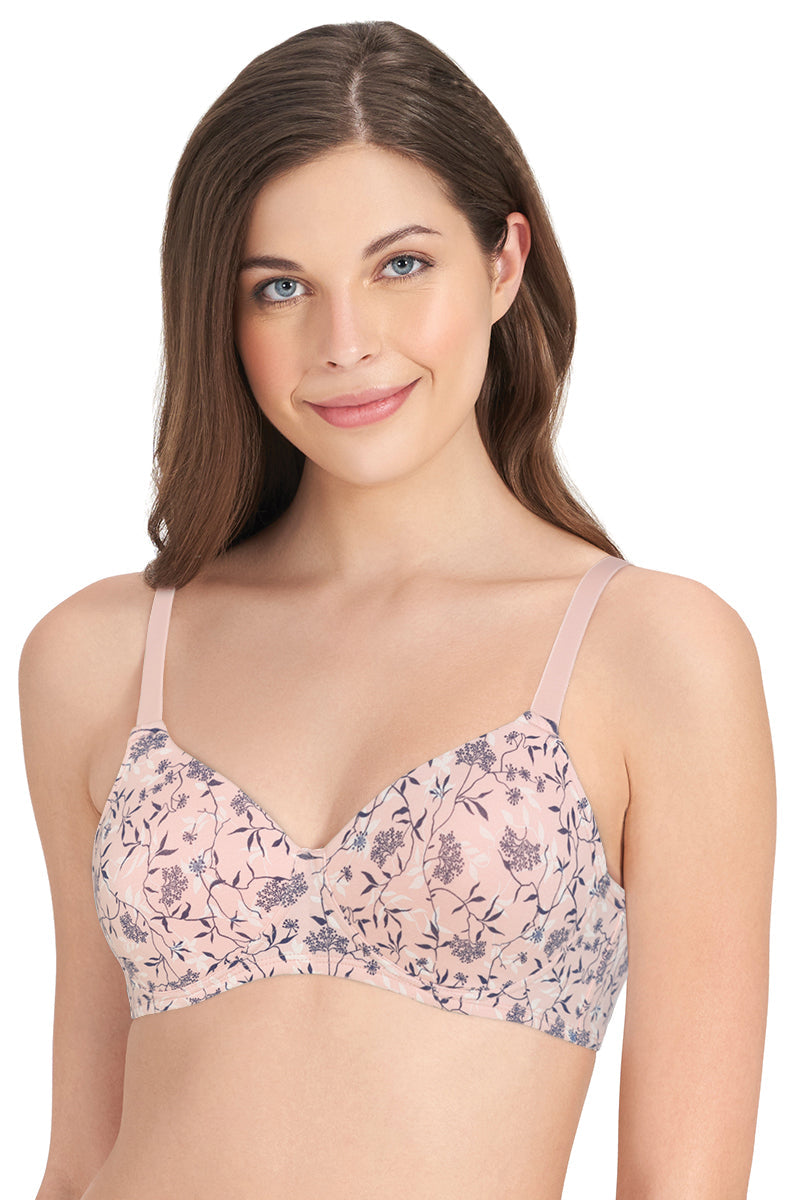
Summary: As women age, bra needs often change due to shifts in breast shape, skin sensitivity, and comfort preferences. Choosing the right bra involves focusing on proper fit, soft fabrics, wider straps, and supportive designs such as full coverage, wire-free, or front-closure styles. The right bra can provide lasting comfort, support, and confidence while adapting to the body's changing needs. As the body changes with age, bra needs change too. A bra that once felt supportive may start feeling restrictive, uncomfortable, or simply not suitable anymore. Factors like skin sensitivity, posture changes, fluctuating breast shape, and comfort preferences make choosing the right bra especially important for older women. The ideal bra should offer gentle support, ease of wear, soft fabrics, and a flattering fit without digging, pinching, or causing irritation. Whether you are looking for everyday comfort, better lift, or all-day ease, understanding what to look for can make bra shopping much simpler. How do bra needs change for women as they age? As women grow older, the body naturally undergoes several changes that can affect bra fit and comfort. Breasts may lose firmness and fullness due to hormonal changes, menopause, weight fluctuations, or reduced skin elasticity. This often leads to the need for bras with enhanced support and coverage. Some common age-related changes include: · Softer breast tissue that needs gentle shaping and support · Increased sensitivity around the skin and shoulders · Changes in posture that affect bra fit · Wider rib cage or fluctuating band sizes · Preference for wire-free and easy-to-wear styles Older women often prioritize comfort over heavily structured or restrictive bras. Features like wider straps, breathable fabrics, seamless cups, and supportive underbands become more important for daily wear. What are the key factors to consider when choosing a bra for elderly women? Choosing the right bra is about balancing comfort, support, and functionality. Here are the most important factors to look for: 1. Proper Fit A well-fitting bra should sit comfortably around the rib cage without riding up or digging in. The cups should fully contain the breasts without spillage or gaps. 2. Soft and Breathable Fabric Aging skin can become more delicate and sensitive. Fabrics like cotton blends, microfiber, and moisture-wicking materials help reduce irritation and keep the skin comfortable. 3. Wider Straps Thin straps can put pressure on the shoulders and cause discomfort. Wider straps help distribute weight more evenly and provide better support. 4. Easy Closures Front-open bras or bras with larger hook closures are easier to wear for women with limited mobility, arthritis, or shoulder stiffness. 5. Wire-Free Support Many older women prefer non-wired bras for everyday comfort. Modern wire-free bras can still provide excellent support and shaping. 6. Full Coverage Design Full coverage bras offer better containment, minimize spillage, and provide a secure feel throughout the day. Which bra styles are best for older women for comfort and support? Different bra styles serve different needs. Here are some of the best options for older women: Full Coverage Bras These bras provide maximum support and coverage, making them ideal for everyday wear. They help reduce spillage and offer a secure fit. Wire-Free Bras Wire-free bras are designed for all-day comfort without the pressure of underwires. They are especially suitable for sensitive skin and relaxed daily wear. Front-Closure Bras Easy to put on and remove, front-open bras are practical for women with mobility concerns or joint pain. Soft-Cup Bras Soft-cup bras provide gentle shaping without heavy padding or rigid structures, making them comfortable for long hours. Support Bras for Larger Busts For women with fuller busts, bras with reinforced side panels, broad underbands, and wide straps can improve support and reduce strain on the shoulders and back. Seamless Bras Seamless bras minimize friction and irritation, making them ideal for sensitive or aging skin. What common bra problems do older women face and how to fix them? Shoulder Pain from Bra Straps Problem: Thin straps dig into the shoulders.Solution: Choose bras with padded or wider straps for better weight distribution. Band Riding Up Problem: The bra band moves upward at the back.Solution: This usually means the band size is too loose. Opt for a firmer band fit. Cup Spillage or Gaping Problem: Breasts spill out or cups wrinkle.Solution: Re-measure your size regularly and choose full coverage styles for better containment. Skin Irritation Problem: Fabric causes itching or discomfort.Solution: Look for soft, breathable, tag-free fabrics with smooth seams. Difficulty Wearing Bras Problem: Back closures become difficult to fasten.Solution: Switch to front-open bras or styles with stretchable bands. How to find the right bra size as your body changes over time? Bra size can change significantly over the years due to aging, hormonal shifts, menopause, weight changes, and lifestyle factors. Wearing the wrong size can lead to discomfort, poor posture, and inadequate support. Here’s how to find the right fit: Measure Yourself Regularly: Take fresh measurements every 6–12 months or whenever you notice changes in fit or comfort. Check the Band Fit: The band should feel snug but comfortable. It should stay level across the back without riding up. Assess Cup Coverage: Your breasts should sit fully inside the cups without bulging or empty spaces. Adjust the Straps Properly: Straps should provide gentle support without slipping or digging into the shoulders. Try Different Styles: Different bra constructions fit differently. You may find that wire-free, full coverage, or seamless bras suit your body better over time. Conclusion Finding the right bra for older women is all about comfort, support, and ease of wear. As the body changes with age, choosing bras with soft fabrics, supportive structures, wider straps, and the right fit can make a significant difference in everyday comfort and confidence. Whether you prefer wire-free styles, full coverage bras, or front-open designs, investing in bras that prioritize both support and comfort can help you feel comfortable throughout the day. FAQs What type of bra is most comfortable for older women? Wire-free bras, full coverage bras, and soft-cup bras are generally considered the most comfortable for older women. They provide gentle support without putting pressure on the skin or shoulders. What fabrics are best for sensitive or aging skin? Soft cotton blends, microfiber, modal, and moisture-wicking fabrics are ideal for aging or sensitive skin. These materials feel gentle on the skin and help improve breathability and comfort. Check out our other blogs: Types of Bra: 28 Different Bras Style Guide for Women Different Types of Cotton Bras Every Woman Should Have for Summer 2026 5 Must-Have Cotton Bras for Summer 2026